

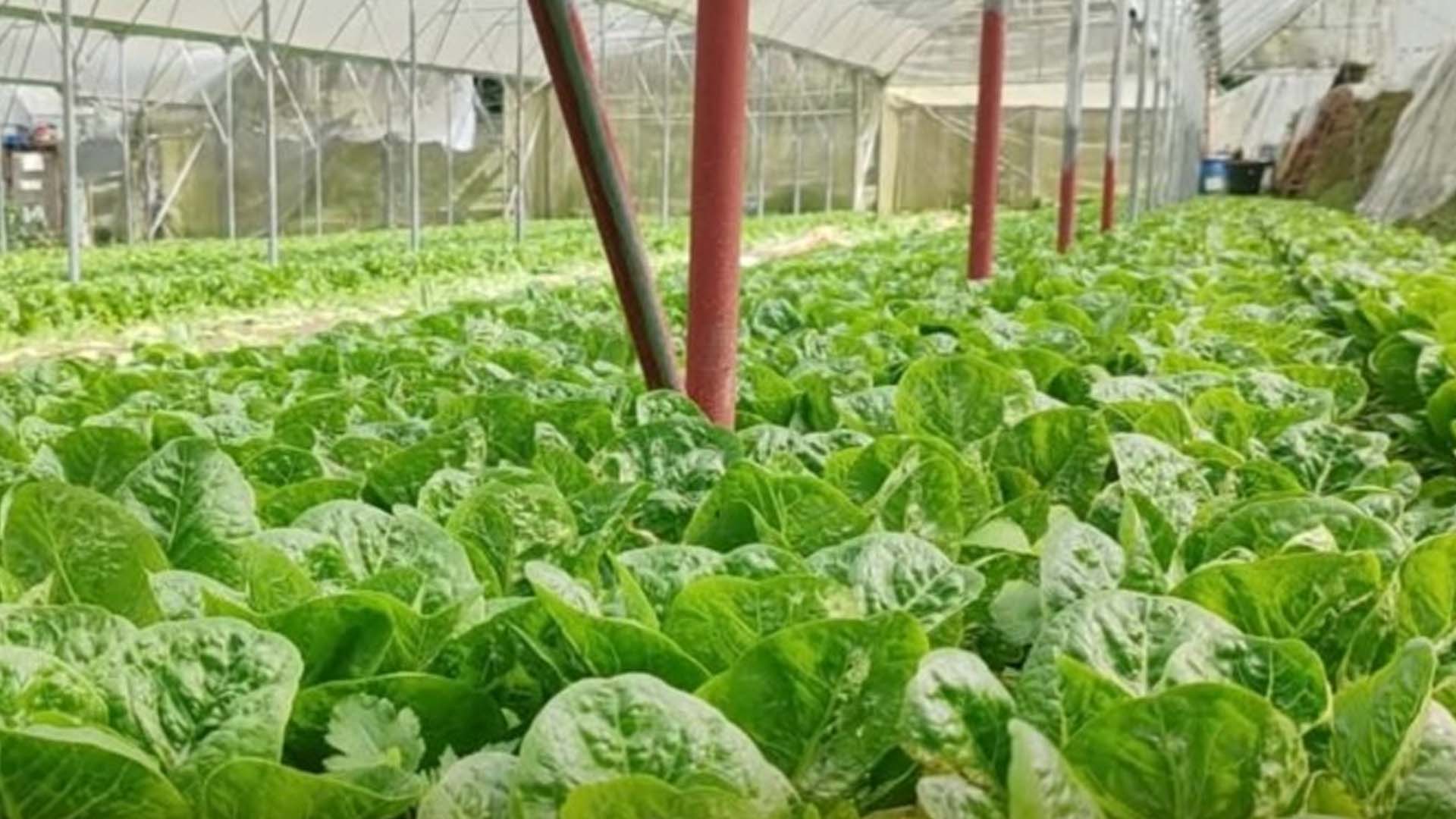






The Department of Agriculture in the Cordillera Administrative Region (DA-CAR) continues to assist farmers in adopting practices geared toward food sustainability, ensuring that farmers will earn more and the soil will be more suitable for growing plants.
“Producing food entails a lot of biosecurity measures to ensure that the food produced is safe. Both for livestock, plants and other supplies, the DA and the farmers work hand-in-hand to ensure we do not just produce food for the Filipino people but that they are also safe for consumption,” Dr. Aida Pagtan, agriculturist and chief of the DA-CAR RAFIS (Regional Agriculture and fisheries information service), said in an interview with the Philippine News Agency on Friday.
She said that in sustaining the production of food, stakeholders endeavor to abide by production rules, including good agricultural practices (GAP) which involve a tedious certification process that is good for the soil and the environment, lowers cost of production, and offers a higher chance for a captured commercial end user market.
Pagtan said to obtain GAP certification, the proper utilization of fertilizer, pesticide, cleanliness of the farming areas, proper disposal of wastes, and safety of farmers are being assessed.
“While the certification is tedious and requires a lot of effort, the farmers endeavor to obtain it because they can command a good price for their produce not to mention that many commercial high-end buyers of vegetable also require an assurance that they get the value for their money and require certification as a standard and quality assurance for the products they buy,” she said. “Slowly, our farmers are seeing the need to adapt to these safety standards not just for the benefit of the consumers but also for cheaper cost of production, which can increase the income yield.”
Aside from GAP, the DA-CAR’s organic agriculture office is actively imparting knowledge on organic farming, particularly to urban farmers.
As of end of 2024, the DA has recorded 3,331 organic producers in the region spread out in different areas, including Baguio City and Tabuk City in Kalinga.
Dowen Santiago, GAP focal person of the DA-CAR, said there are now 544 GAP-certified practitioners who observe safety standards in producing food products.
The GAP-certified practitioners include 70 new farms that were inspected in April, covering areas in the municipalities of Itogon, Tuba, Atok, Kibungan, and Mankayan in Benguet; Lucnab in Baguio City; and Bauko and Sagada in Mt. Province.
“The vegetable farms were carefully evaluated and found to be compliant with the PhilGAP (Philippine Good Agricultural Practices) standards which focus on food safety, environmental management, product quality, and worker’s welfare,” Santiago said.
The farms cultivate various crops including strawberry, potato, broccoli, carrot, cabbage, Chinese cabbage, sweet peas, bell pepper, lettuce, coffee, eggplant, tomato, and herbs.
The newly certified farms will be strictly monitored for a minimum of two years to ensure their continued compliance with the food safety standards.
Included in the monitoring is the Bureau of Plant Industry’s Satellite Pesticide Analytical Laboratory that will collect samples of harvestable crops for pesticide analysis.
“The combined initiatives ensure the farmers’ compliance to PhilGAP standards as embodied in their certifications. The successful inspection demonstrates the dedication and commitment of the farm owners in adopting PhilGAP standards,” DA-CAR Director Jennilyn Dawayan said.
The DA-CAR hopes to continue to increase the number of certified farms by at least 20 percent in a year to achieve the goal of higher sustainability. (PNA)