







The Advanced Science and Technology Institute (ASTI) is currently developing a robot that could detect plant diseases, thereby helping farmers to increase yield, its top official said Monday.
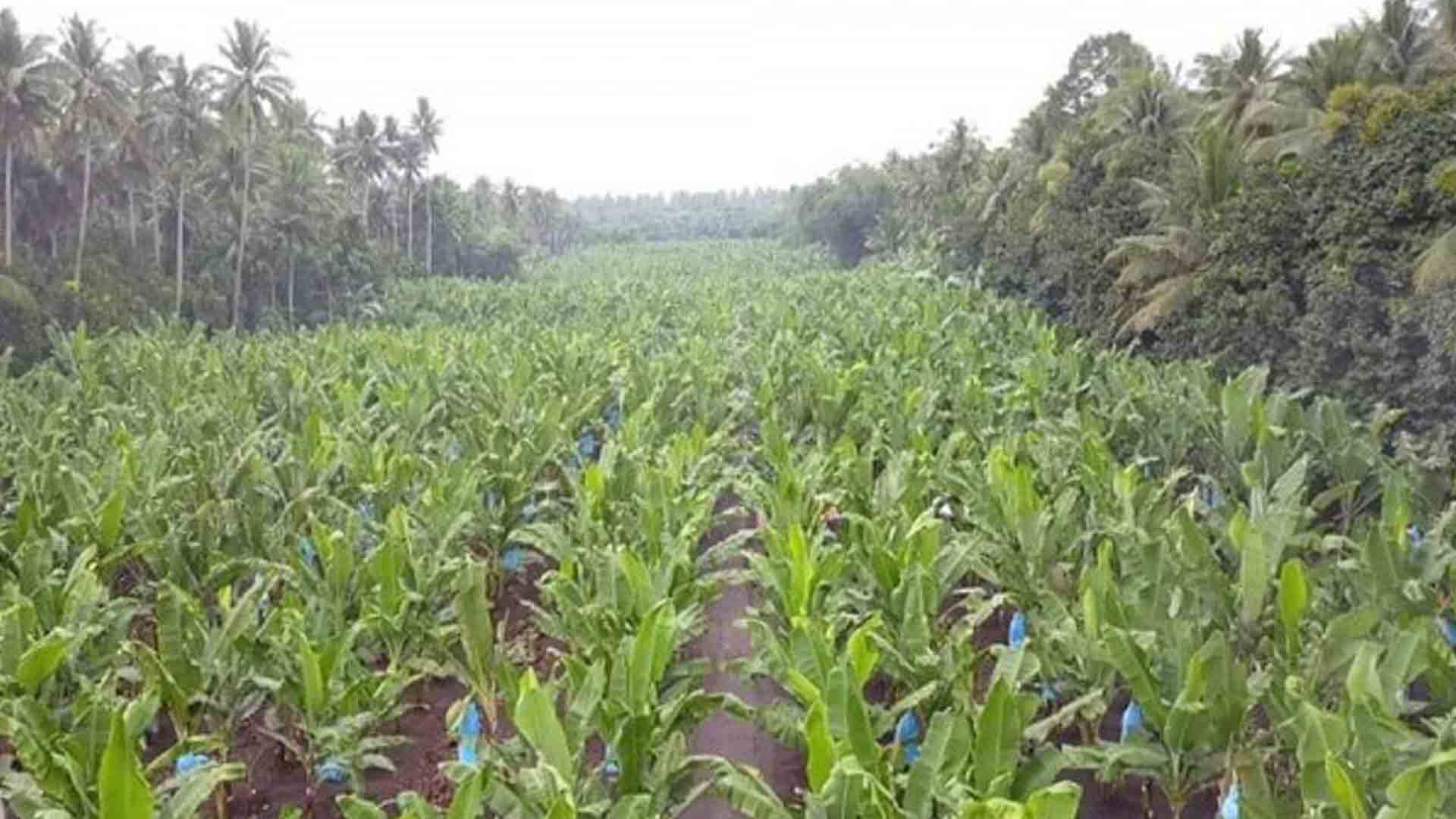
Using artificial intelligence (AI), the robot will be placed initially in a banana plantation to identify disease afflicted plants even at the early onset, ASTI Director Franz de Leon told the Philippine News Agency in an interview.
“The current practice in plantations is that they are labor and time intensive. If there is not enough manpower, it may be too late to detect and address plant diseases that have developed. This can result in reduced yields, and ultimately, profit for the farmers,” he said.
This ROAMER (Robot for Optimized and Autonomous Mission-Enhanced Responses) project aims to aid agriculture firms in improving their day-to-day operations by using AI-based methods in computer vision, sensing, and navigation, de Leon added.
Initial target users are banana plantations, thus the AI models are being specifically designed for banana-related diseases.
The robot is being developed by the engineers from ASTI, and de Leon said the project team has partnered with a banana plantation in Mindanao for the pilot study.
“The main advantage of using the technology is to maximize the yield of a plantation. This is done by early detection of diseases that may have devastating effects on the yield. Hence, this project hopes to contribute in applying technology to improve food security in the country,” said project leader, Antonio Banzon.
Meanwhile, de Leon said ROAMER has a budget of PHP24.7 million for a three-year implementation.
The project began in June 2021 and is expected to be finished by June 2024.
According to ASTI, as of August 2022, the ROAMER project is assessing the mobile robot platform to determine the most efficient design based on a set of constraints or characteristics.
“Also being conducted are autonomous navigation and mapping using the virtually simulated environment and mapping algorithms of the robot,” it said. (PNA)