

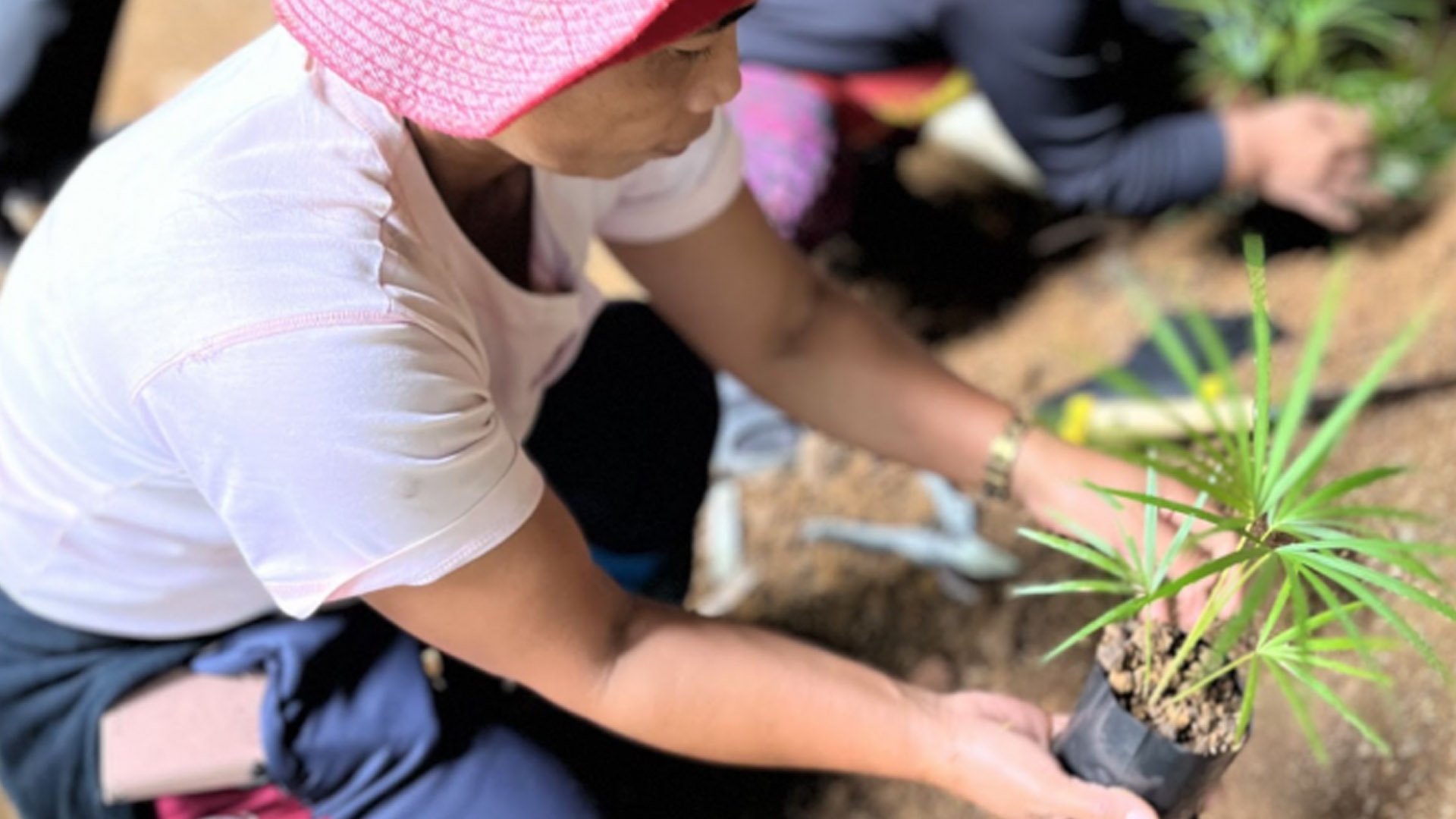






The Department of Environment and Natural Resources (DENR) is strengthening its decades-old Rattan Gene Bank in Bukidnon as demand for rattan products grows.
In a news release Friday, Environment Secretary Juan Miguel Cuna said the initiative aims to secure a steady supply of quality planting materials for the country’s rattan industry, without putting more pressure on the country’s natural forests.
“The move comes amid an 18.1 percent jump in the Value of Production Index for wood, bamboo, cane and rattan articles in April, a surge that has intensified pressure on raw material sources across the archipelago,” he said.
The plan, he said, is also in line with the directive of President Ferdinand R. Marcos Jr. to expand livelihood opportunities tied to ecosystem protection, and push for nature-based industries.
He said this reflects higher production by manufacturers, mostly in the furniture and handicraft industry, that rely on rattan as a key raw material.
“Sustainable plantations are needed to reduce dependence on wild rattan, or those gathered from forests. This is exactly the kind of work that shows how environmental protection can translate into real economic opportunity,” Cuna said.
“By investing in science-based restoration and sustainable supply chains, we’re ensuring that livelihoods endure for decades,” he added.
The DENR-Ecosystems Research and Development Bureau (ERDB), through its Forest and Wetland Research, Development and Extension Center (FWRDEC), said the upgrading of the Rattan Gene Bank would produce quality planting materials for plantation development, strengthening the supply of raw materials for furniture makers and handicraft producers while helping conserve native rattan species.
The project, led by Forester Joel Orella, includes the establishment of a permanent nursery and a 10-hectare rattan plantation inside the Malaybalay Experimental Forest in Bukidnon.
It also includes training for people’s organizations, local government units, DENR field offices, Indigenous Peoples communities, and private stakeholders on seed collection, nursery management and plantation establishment.
“We are creating opportunities for communities while ensuring that future generations will continue to protect and benefit from our native rattan resources,” Orella said.
The DENR said that among the first beneficiaries is the Woodstock Forest Stewards Association in Bukidnon.
Its members will be trained to propagate rattan wildlings and seedlings that can be supplied to plantation developers, government greening programs, and private buyers, providing them with an additional source of income.
The five-hectare Rattan Gene Bank, established in 1992 inside the Malaybalay Experimental Forest, conserves 30 native rattan species and serves as the country’s living repository of rattan genetic resources.
The DENR said that the Philippines is home to an estimated 64 to 80 rattan species and varieties.
Cuna said strengthening the gene bank is part of the government’s effort to protect forests while creating economic opportunities in rural communities.
“President Marcos has been clear that caring for our ecosystems must also create opportunities for our people. Every forest we protect and every coastline we restore strengthens communities and builds a more resilient future for the country,” he said.
Meanwhile, ERDB Director Lormelyn Claudio said the bureau’s research is meant to benefit both people and industry, stressing that partnerships with communities ensure that the agency’s research addresses actual needs on the ground while empowering residents to become active stewards of the country’s natural resources. (PNA)