

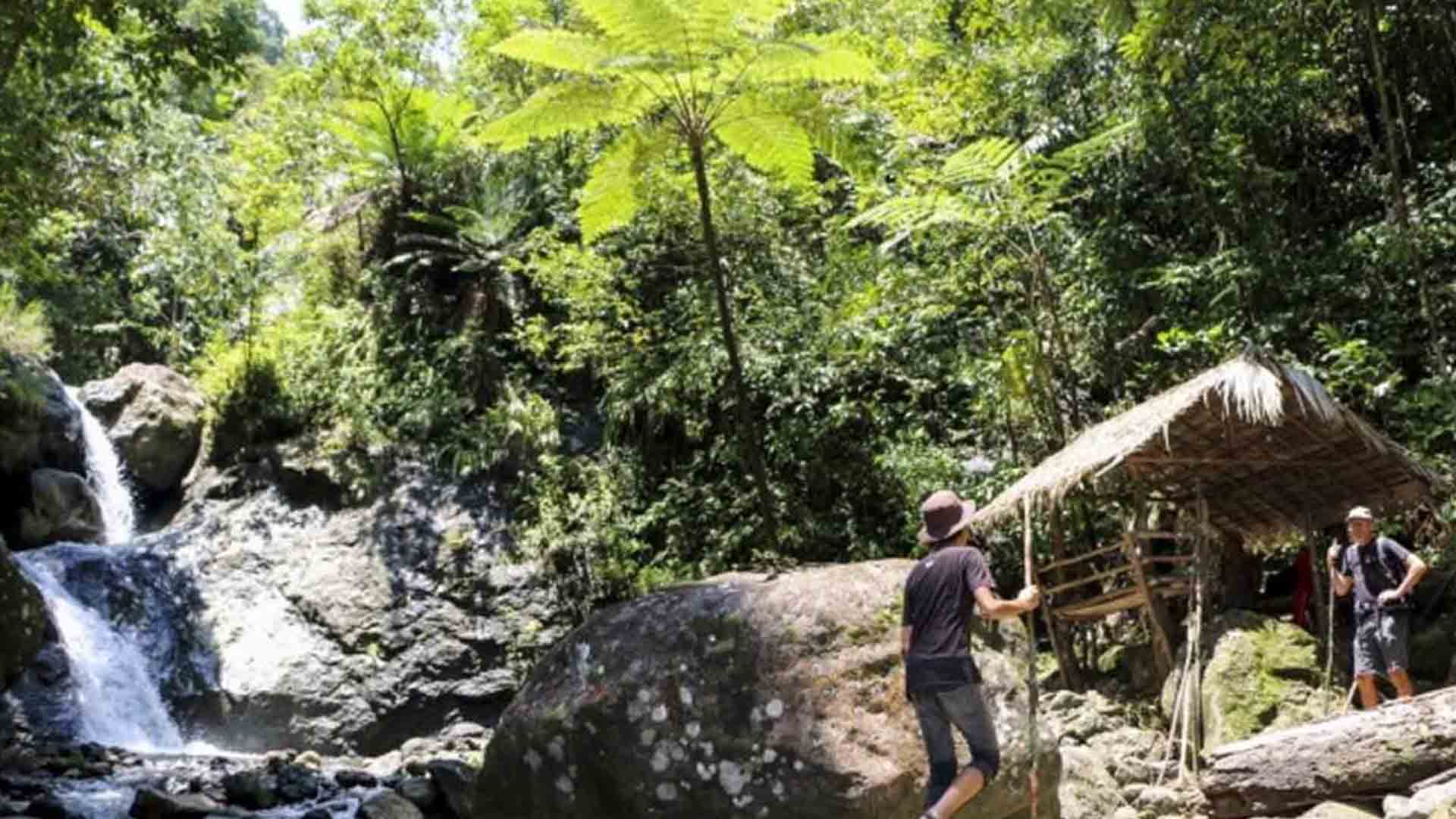






More and more Filipinos are getting “thoughtful and deliberate” in how they travel, with about 80 percent, saying they want to visit a place in ways that could also benefit local communities, both economically and socially.
In a commissioned research forwarded by Airbnb on Tuesday, over 80 percent of Filipinos polled said it is important that their travel creates a positive impact for locals– signaling the rise of the “conscious traveler”.
“Just as the travel revolution is inspiring people to embrace flexibility and reimagine the ways they live and travel, so too is it spurring on the rise of the conscious traveler,” said Mich Goh, Airbnb’s head of Public Policy for Southeast Asia.
“In the wake of the disconnection and economic hardship brought by the pandemic, people are becoming increasingly thoughtful and deliberate about how they can use travel to make a positive contribution to the communities they’re visiting. They’re thinking deeply about how they can put their tourist dollars to best use and economically empower towns and rural communities that have struggled,” she added.
The research titled “Rebuilding tourism in Asia-Pacific: A more conscious traveler?” was completed in October 2021 based on a survey of 4,582 travelers from nine markets: Australia, Japan, India, Malaysia, Singapore, South Korea, Taiwan, Thailand, and the Philippines.
It showed that approximately 75 percent of Filipinos value using travel as a way to meaningfully connect with communities and culture, including immersing themselves in local communities when they travel.
Over 70 percent of the respondents are also more inclined to contribute to the local economy while 76 percent said they will be more conscious when it comes to familiarizing themselves with what’s important to the communities they’re visiting.
Over 60 percent also are willing to build sustainable tourism practices into their travel plans, such as forgo comforts and luxuries on a holiday if their actions can support sustainable tourism outcomes; pay a premium for an experience that supports sustainable tourism practices; and avoid destinations faced with sustainability challenges.
Almost half, meanwhile, said it is important that they are not contributing to issues such as over-tourism.
For Airbnb, this rise in “conscious travel” serves as an opportunity for communities to grow their local economies off the back of the travel rebound and can be described as a form of “win-win” set-up for the pandemic-hit Philippine tourism sector.
The study showed that the top two most important aspects of sustainable travel for those surveyed are “creating equitable outcomes and income for locals” as well as “engaging with new social experiences and meaningful connections”.
It showed that over 50 percent of the Filipinos also plan to travel more frequently to rural destinations while 60 percent want to take workcations or work remotely when they can.
Looking ahead, Airbnb said 62 percent are planning to engage in more domestic travel than in the past, with the aim of allocating more of their travel budget within their own country. (PNA)